
Conductive pathways
In suitable formulations, graphene and related carbons can help form electrical pathways through a composite. The result depends on grade, loading, dispersion and the surrounding material.
Advanced materials & R&D
Exploring graphene and advanced carbon for quantum-device research, energy storage, thermal management, coatings and composites.
Project overview
Fount Technology is developing its advanced-materials business around graphene and related carbon materials for industrial uses. The portfolio explores product families for coatings, polymers, energy storage, thermal management, electronics and composites. These grade families are proposed development areas; final performance and availability depend on testing and customer qualification.
Fount is also exploring future research into carbon materials derived from sugarcane and other agricultural residues. This is a long-term research direction, subject to technical, environmental and commercial validation.
A potential materials supply pathway for InnoGress quantum-technology initiatives is planned, subject to product qualification, project readiness and commercial arrangements.
Material potential
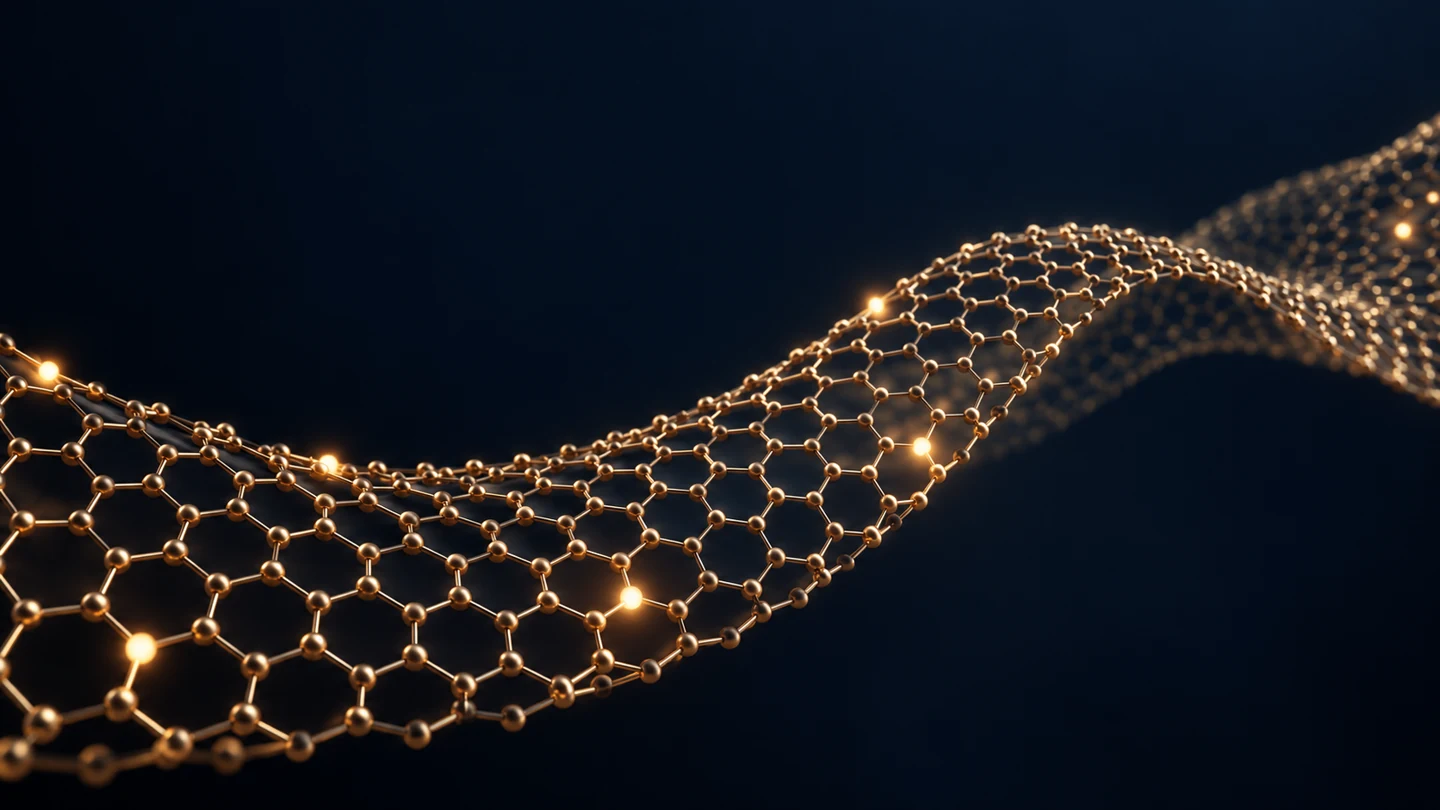
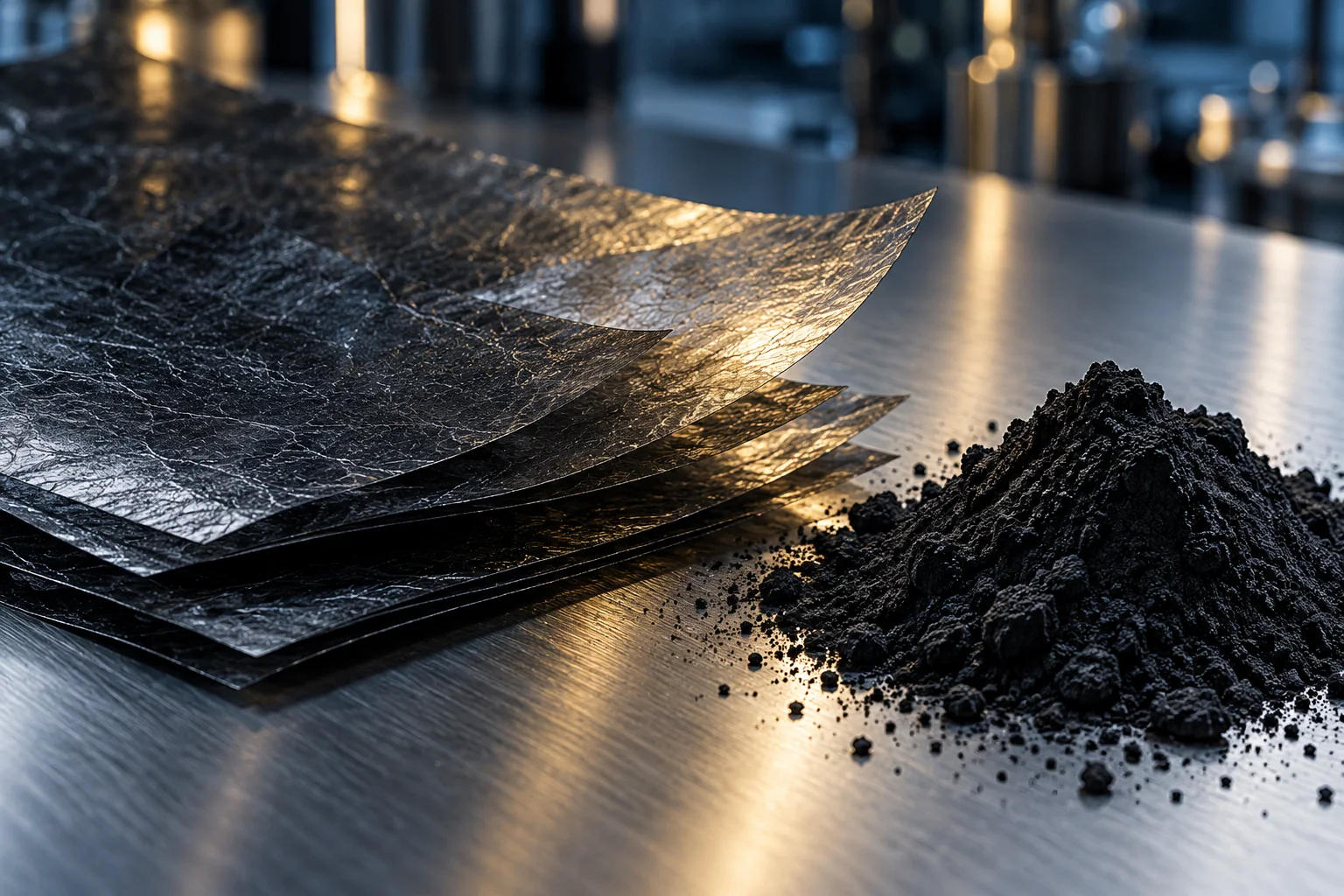
Graphene is not one uniform product. Layer count, flake size, defects, surface chemistry and processing all shape how a material behaves.
In suitable formulations, graphene and related carbons can help form electrical pathways through a composite. The result depends on grade, loading, dispersion and the surrounding material.
Their sheet-like structure can interact with polymer, coating and electrode surfaces. Coverage and barrier behaviour depend on how the flakes are oriented and dispersed.
Carbon sheets may influence heat flow and mechanical response. Layer count, defects, orientation, bonding and the host material all affect the finished part.
Compared with established fillers and materials, graphene is not automatically better. Cost, purity, consistency, processing and measured performance in the finished part determine whether it is the right choice.
Why graphene appears in quantum research
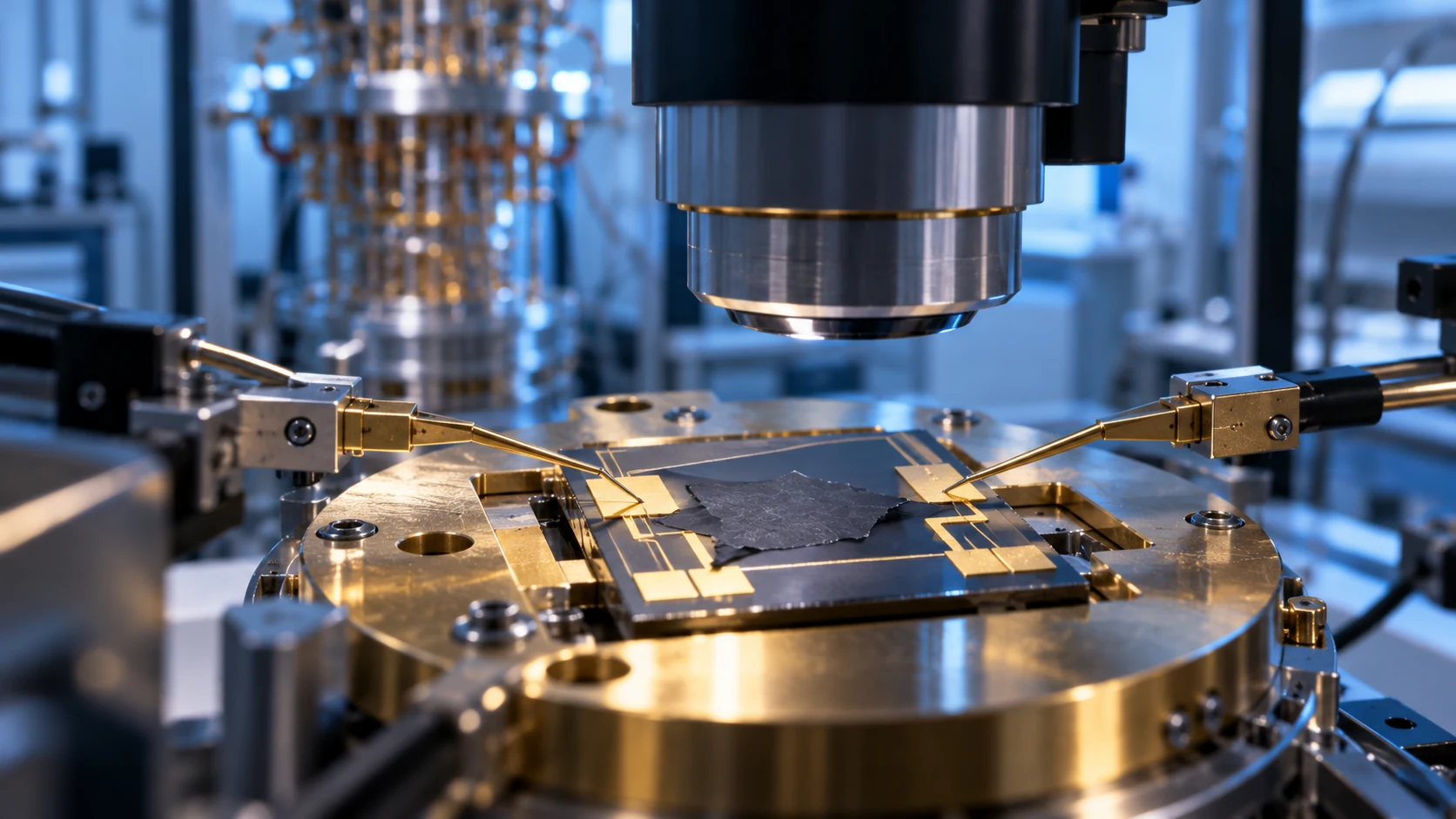
Researchers are studying bilayer graphene quantum dots to understand confined electron states, including spin and valley behaviour. Separate research has explored graphene-based Josephson junctions as possible single-photon detectors. These are specialist research directions, not commercial Fount products.
For Fount, quantum projects are a potential materials pathway: any proposed input would need to meet defined electrical, thermal, purity and integration requirements. This does not imply that Fount manufactures quantum chips, qubits or qualified “quantum-grade” graphene.
Potential use cases
The grade and formulation must be matched to the job. These are areas for evaluation, not claims that Fount already supplies qualified products.
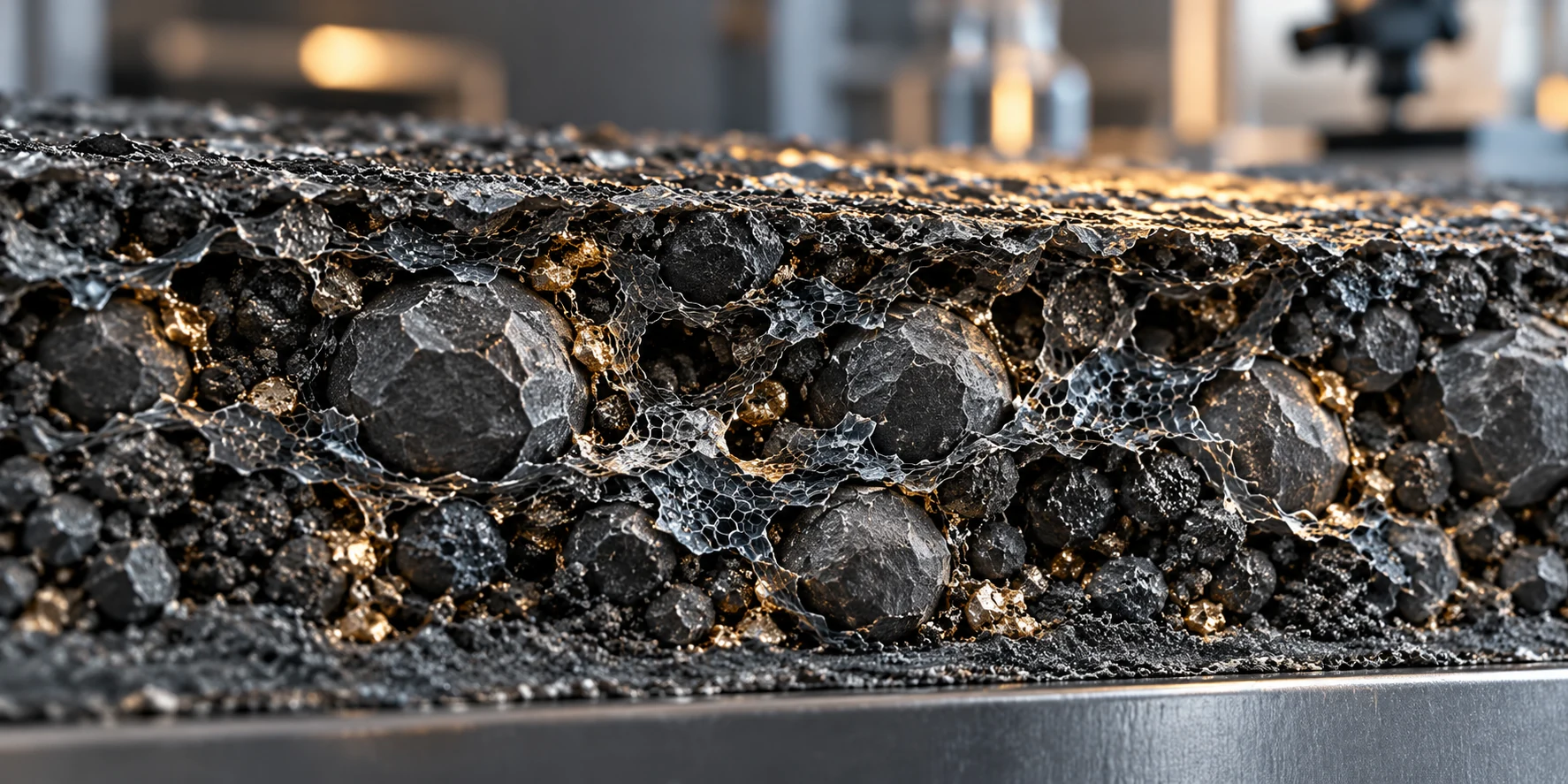
A proposed conductive-additive pathway for battery electrodes and related energy-storage systems. Any benefit must be measured against a baseline in the target chemistry and full electrode formulation. This is an electrode-material concept, not a finished battery or a performance guarantee.
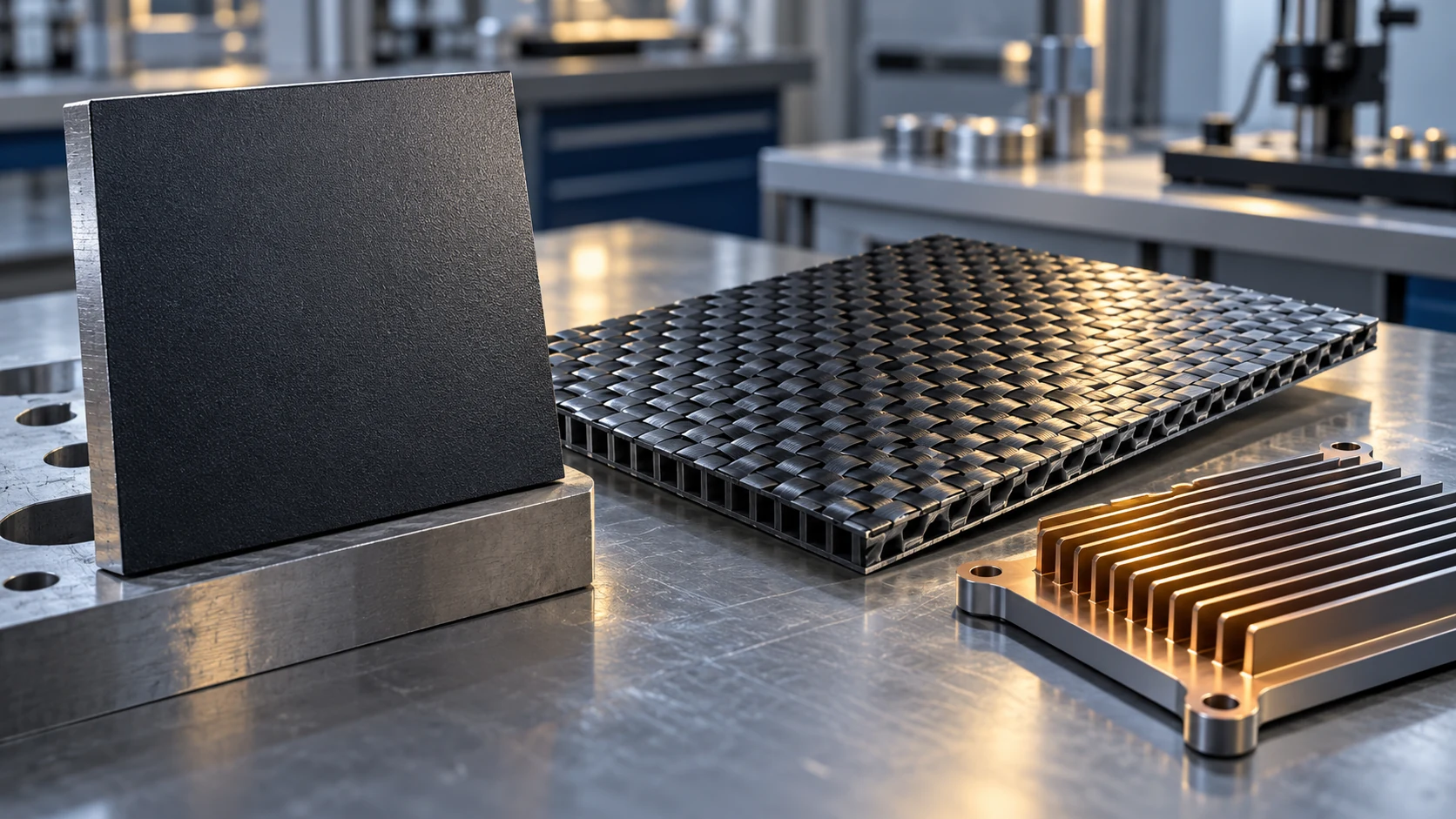
Graphene-containing films or composites may be evaluated around electronics, power modules and battery systems. Heat flow in a finished interface depends on orientation, bonding, thickness and contact resistance.
Potential coatings may be evaluated for barrier behaviour on industrial surfaces. Dispersion, coating continuity, adhesion and corrosion performance need testing in the target environment.
Other areas to assess
Fit depends on the material grade, part design and application testing.
Exploratory UAV and protective-structure compounds would need strength, toughness, weight and durability testing.
Conductive composites may be tested for shielding or frequency-specific response in defined component designs.
Graphene surfaces are studied in electrochemical and sensing devices, where selectivity and stability need application testing.
Graphene-based fillers may tune conductivity or reinforcement; processing and dispersion determine the outcome.
Proposed product families
These working names come from the feasibility plan. They describe development areas, not an industry-wide standard or products currently qualified for supply.
Final specifications and availability depend on technical validation, repeatable quality, application testing and customer qualification. Open a grade to see the intended direction and the factors that need evaluation.
Industrial graphene materials. Proposed for polymer and rubber compounds where conductivity or reinforcement is useful. Development focuses on cost-in-use, even dispersion and electrical conductivity; fit depends on the host material and target loading.
Battery conductive-additive materials. Proposed for battery electrodes. Development considers surface area, moisture, trace-metal control, dispersion and electrochemical compatibility. This is an input to cell development, not a finished battery or a performance claim.
Silicon–carbon anode materials. Proposed for research where surface chemistry, pore structure and electrical pathways affect how active particles are integrated. Application work must assess stability, dispersion and compatibility with the complete electrode formulation.
EMI-shielding materials. Proposed for conductive or dielectric polymer systems used to reduce electromagnetic interference. Development focuses on conductivity, dielectric response and frequency behaviour; performance must be measured at the intended frequency and part geometry.
Thermal-interface materials. Proposed for battery packs and electronics assemblies that need heat to spread through an interface layer. Important factors include thermal conductivity, orientation, bond quality and interface resistance in the finished component.
Barrier and protective coatings. Proposed for industrial steel and other surfaces where a coating may help limit corrosion or permeation. Development focuses on dispersion, barrier continuity and corrosion behaviour after application and environmental testing.
Advanced composite materials. A proposed family for demanding structures, including exploratory UAV and protective applications. Evaluation would consider purity, mechanical strength, toughness, dispersion and traceability before customer qualification.
RF and frequency-specific materials. Proposed for radar and antenna systems requiring electromagnetic properties tuned to a use case. Development focuses on frequency-dependent response and integration into a defined component; no performance is implied without measurement.